
Entering the apparel decoration industry opens doors to creativity, customization, and business potential. But before launching your first design, it's essential to build a solid foundation. This starter pack checklist ensures new apparel decorators have everything needed to hit the ground running and sustain long-term growth.
1. Design Software and Hardware Essentials
Graphic Design Software
Good apparel decoration begins with excellent digital designs. This type of software helps you design scalable art that works well with different decoration approaches. On these platforms, you can handle color separations, outlines, and layers—all important for a successful result.
Computer and Monitor Setup
Buy a computer that is strong enough to use design software easily. Make sure the system offers 16GB of RAM, a strong processor, and at least dedicated graphics. To ensure printed or heat-transferred designs turn out correctly, stick with a high-resolution monitor that gives a perfect color display.
2. Heat Press Machine
Almost every apparel decorator needs a heat press. With heat transfer vinyl, sublimation, or flocked vinyl, a heat press always ensures the same level of design application. Pick a model that allows you to adjust the pressure and temperature, use the digital timer, and one with even heat throughout. If you have a narrow spot, a clamshell press works, but a swing-away model provides more precise and safer operation during setup.
Optional Add-ons
Bear in mind that specialty platens are available for hats, small clothes, and sleeve parts. They add new services and help you work better. Multiple workstations are a worthwhile investment, too, they control the heat and let you complete several steps simultaneously while still maintaining a high work quality.
3. Cutting Equipment
Vinyl Cutter
To properly use flocked vinyl, you need a reliable vinyl cutter. It's a good idea for newbies to start with a machine like the Silhouette Cameo or Cricut Explore. With your business thriving, go for models such as Graphtec or Roland to gain greater speed, high precision, and the ability to work with many types of material.
Blade Options
There are different blades for each type of material you use. Any design that requires a close and exact cut is made better with finer blades, while thicker materials are easier with large, heavy-duty blades. Have replacements ready and swap them out when they become worn for clean water.
Using the right blade for the material will help you finish jobs quickly and use the least amount of material.
4. Materials and Media
Heat Transfer Vinyl (HTV)
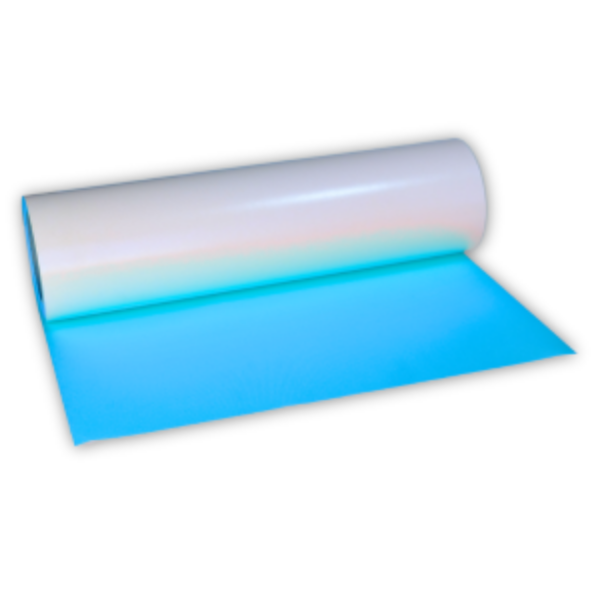
Glitter, holographic, matte, and flocked finishes are all types of heat transfer vinyl. It's a good idea to have a variety of both so you can present your clients with different options. Because every kind cutter is different, read the manufacturer's guidelines for suggested settings every time. Stock should be stored dry and vertical to ensure the material is kept in good shape.
Embroidery and Twill Supplies
If you embroider or do applique in your business, be sure to have stabilizers, bobbins, and tackle twill on hand. Because of its strength and style, people use this fabric for comfortable athletic clothes and college outfits. Your decision to laser-cut or hand-cut depends on the kind of production you use.
5. Workspace Setup
An organized and clean work environment makes things easier to do and safer. Organize your study area by making different zones for:
- Development and organization
- Trimming and getting rid of weeds
- Heat pressing
Having good lighting and ventilation in the area you'll be working in will help you see and breathe clearly. Storing items in labelled drawers and bins, along with using ergonomic tables, works well for any company's production.
6. Maintenance and Safety Tools
Taking care of your equipment keeps it in good condition for longer. Use the tools I mentioned, for example:
- Picking tools and weeding tweezers
- Cutting mats
- Pressing surfaces and platens protected with Teflon
- Protective strips for blades
You should always use gloves and goggles when you handle heat or sharp objects. Proper use of equipment is safer and improves product quality.
7. Inventory and Order Management
Use a computer program to keep track of both flocked vinyl and tackle twill material. When everything is organized, there is less waste, and you won't run out at the last minute. Choose a site that manages order checking and invoicing for you as well.
You will also need shipping labels. They enable businesses to handle tasks more smoothly and see what's going on with trends and results.
8. Training and Skill Development
Your technique is more important than any tools you have in getting results. Sign up for online learning and webinars and use forums to learn more. Watch leaders in the field and try experimenting with a variety of materials. Getting good at layering kiss-cuts, appliqueing tackle twill, and pressing vinyl means practicing and gaining knowledge.
Conclusion
Starting in apparel decoration is an exciting journey. With the right starter pack, including tools, materials, and strategies, decorators can launch confidently and grow steadily. Stock essential items like flocked vinyl, tackle twill material and quality blanks, and invest time in learning and branding. A prepared decorator is a successful one, and the effort you put into building a strong foundation will reflect in every custom piece you create.
Get premium heat transfer materials and fabrics, shop now at Twill USA!